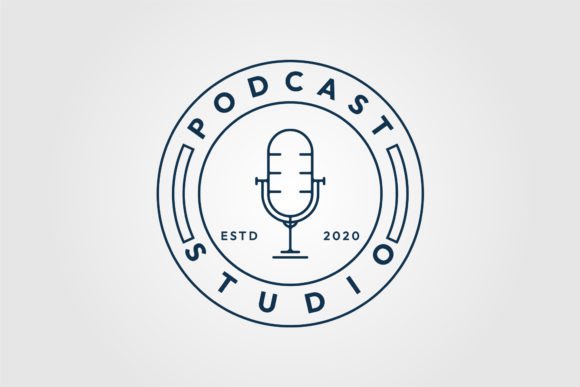
Podcast Microphone Line Art Logo Icon Review
As a designer who spends half my day in digitizing software and the other half judging the tactile quality of finished stitches, I approach every new embroidery file with a mix of optimism and skepticism. The market is flooded with generic icons, but finding a design that balances aesthetic appeal with technical stitchability is rare. Today, I am evaluating the Podcast Microphone Line Art Logo Icon, a piece categorized under Logos and Graphics, to see if it holds up under the needle for real-world application.
This isn't just about how the vector looks on a screen; it is about how it translates into thread. Whether you are an Etsy seller looking for a niche product or a hobbyist preparing a personalized gift, understanding the practical implications of this design is crucial before you hit the start button on your machine.
First Impressions: Mood and Visual Personality
The moment you load the Podcast Microphone Line Art Logo Icon into your hoop, the minimalist nature of the line art stands out. In a world of complex, multi-colored fill designs, simplicity can be a double-edged sword. If the lines are too thin, they disappear; if they are too thick, they lose their elegance. This design strikes a confident balance. It evokes a modern, professional, yet approachable mood. It feels clean, sharp, and distinctly contemporary.
The visual personality of this icon suggests authority and creativity without being loud. It is perfect for branding purposes because it relies on negative space and clear geometry rather than clutter. For a custom apparel project, such as a sweatshirt embroidery for a content creator, this design signals professionalism. It tells the viewer immediately what the wearer’s passion or profession is, without needing a paragraph of text to explain it. The line art style lends itself well to high-contrast thread choices, making it versatile for various fabric backgrounds.
Real-World Application: Where Does It Fit?
I recently considered using this design for a batch of custom embroidered patches intended for a client who runs a small podcasting studio. They wanted something subtle enough for daily wear but distinct enough to be recognizable on social media profiles. The Podcast Microphone Line Art Logo Icon was a strong contender. Here is how it performs in specific scenarios:
- Custom Apparel and Sweatshirts: When placed on the chest of a crewneck sweatshirt, the line art creates a sophisticated focal point. It works particularly well as a standalone graphic, allowing the texture of the fabric to complement the precision of the stitches.
- Tote Bag Design: A canvas tote bag is a staple for any creative entrepreneur. Embroidering this microphone icon on a tote adds a layer of durability and prestige compared to a printed graphic. It transforms a simple accessory into a statement piece for digital creators.
- Embroidered Patch: Creating a detachable patch from this design is highly effective. The clean lines ensure that the border satin stitch (if applied) remains crisp and does not bleed into the inner details, resulting in a high-quality finished product that can be sewn onto jackets, hats, or bags.
- Personalized Gift: For a holiday embroidery project, this design makes an excellent gift for friends or family members who are audio enthusiasts or aspiring podcasters. It feels thoughtful and tailored, elevating the perceived value of the handmade item.
- Baby Embroidery: While perhaps less obvious, a subtle microphone icon on a baby blanket or onesie can serve as a charming keepsake for parents in the media industry. The softness of the line art prevents the design from feeling too harsh or industrial.
Technical Considerations and Stitch Clarity
Line art presents unique challenges in machine embroidery. The primary concern is always stitch density and the risk of puckering or distortion. Because the Podcast Microphone Line Art Logo Icon relies on thin lines, it likely utilizes a combination of running stitch and fine satin stitch elements. This requires careful attention to detail during the setup phase.
If you are working with textured fabrics, such as heavy denim or boucle wool, the fine lines might get lost in the weave. In these cases, the design may require a slight adjustment to line thickness or the use of a stabilizer that provides extra support to prevent the fabric from shifting under the needle. Conversely, on smooth fabrics like cotton twill or polyester blends, the design will pop with exceptional clarity.
Another critical factor is thread color contrast. Against light fabrics, dark threads will define the shape beautifully. On dark fabrics, you must choose lighter threads to ensure the lines remain visible. Testing in black and white mockups is a smart move here; if the design lacks definition in grayscale, it will struggle in color. Additionally, inspecting small details—such as the grille pattern of the microphone—is essential. If the lines are too close together, they may merge during stitching, losing the intricate character of the original vector.
Where to Use With Caution
While this design is versatile, there are situations where it demands extra care. Avoid using it on stretchy knits without proper stabilization, as the tension can distort the circular elements of the microphone head. Curved surfaces, like caps or hats, also pose a challenge; the flat nature of line art can look disjointed if the curvature is significant. Furthermore, be mindful of small hoop sizes. If you attempt to digitize or scale this down too much, the individual lines may become too fragile to hold their shape, leading to a muddy appearance in the final product.
Designer Notes for Best Results
To get the most out of the Podcast Microphone Line Art Logo Icon, I recommend following a few practical steps before committing to your final piece. First, always test the design on scrap fabric that matches the weight and texture of your final material. This allows you to check thread color contrast and observe how the stabilizer interacts with the fabric.
Review the stitch density closely. If the design feels too dense, consider adjusting the underlay settings to reduce bulk. Confirm the hoop size requirements to ensure the design fits comfortably within your machine’s capabilities. Inspect the small details, particularly the connection points between the microphone and its stand, to ensure they are robust enough to withstand frequent washing if the item is meant for regular use.
It is also wise to compare light and dark fabric backgrounds to determine which offers the best visual impact. Use a proper stabilizer appropriate for your fabric type to prevent puckering. Finally, since the product description mentions non-editable text and vector-based changes, remember that while you can modify the graphics in Adobe Illustrator, you cannot alter the embedded text directly. Ensure the licensing terms allow for commercial use if you plan to sell finished items or digital products derived from this design.
Final Verdict
The Podcast Microphone Line Art Logo Icon is a solid choice for designers seeking a clean, modern aesthetic for their commercial embroidery projects. Its strength lies in its simplicity and adaptability, making it suitable for everything from boutique branding to personal gifts. By paying attention to fabric choice, thread contrast, and stitch stability, you can create a finished product that looks as professional on the garment as it does on the screen. For any craft business or Etsy seller looking to expand their catalog with tech-inspired accessories, this design asset is worth adding to your collection.