Monster Cute Funny: A Designer’s Real-World Embroidery Review
As a designer who spends half my life staring at stitch density charts and the other half worrying about whether a customer will actually love the final product, I approach every new machine embroidery design with a healthy dose of skepticism. It is easy to make something look cute on a screen; it is much harder to ensure it stitches cleanly without puckering, tangling, or losing its personality in the thread.
Today, I am putting Monster Cute Funny under the microscope. This piece falls squarely into the Icons and Graphics categories, which often means it relies on bold shapes and clear silhouettes rather than intricate realism. But does that simplicity translate to a high-quality embroidery project? After testing this file for potential use in custom apparel, boutique merchandise, and personalized gifts, here is my honest breakdown of how Monster Cute Funny performs in real-world scenarios.
First Impressions: Mood and Visual Personality
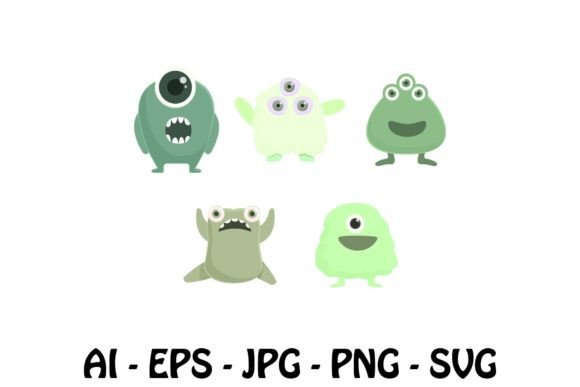
The moment you load Monster Cute Funny into your digitizing software, the first thing you notice is the character. It isn’t trying to be scary, nor is it overly complex. It strikes a balance that is incredibly popular in the current handmade market: approachable, slightly whimsical, and undeniably "cute." The visual personality suggests a design that is meant to bring a smile, making it an excellent candidate for personalized gift items where emotional connection drives the sale.
From a graphic design standpoint, the layout is clean. Because it originates as a digital graphic, the vector lines are crisp. However, as any seasoned embroiderer knows, vectors do not automatically equal good stitching. The charm of Monster Cute Funny lies in its potential to leverage basic stitches effectively. It doesn’t scream for thousands of color changes or exotic specialty threads. Instead, it invites you to focus on texture and contrast, allowing the stitch density to define the shape rather than relying on tiny, potentially muddy details.
Real-World Application: Where Does This Design Shine?
I evaluated Monster Cute Funny across several common use cases to see where it fits best in a craft business or a home studio workflow. The versatility of this embroidery file is one of its strongest assets.
- Custom Apparel and Sweatshirts: This design works beautifully on heavyweight fabrics. Imagine a cozy, oversized sweatshirt featuring Monster Cute Funny centered on the chest or placed playfully over the heart. The bold nature of the icon ensures it stands out against the fabric texture. For sweatshirt embroidery, the stability of the knit fabric supports the design well, preventing any distortion during the run.
- Tote Bags and Canvas Items: One of the most profitable niches for Etsy sellers is canvas goods. Monster Cute Funny translates exceptionally well to a tote bag design. On natural cotton or linen totes, the design pops with clarity. It creates a professional yet playful aesthetic that appeals to students, shoppers, and creatives alike. It serves as a perfect example of how a simple digital embroidery file can elevate a commodity item into a branded asset.
- Baby and Nursery Decor: The "cute" factor here is undeniable. When applied to baby clothes, onesies, or nursery wall hangings, the design feels safe and endearing. For baby embroidery, softer thread colors like pastel pinks, blues, or creams would complement the monster theme without overwhelming the delicate fabric. It is also an ideal choice for holiday embroidery projects, such as Christmas stockings or Easter baskets, where a touch of humor and warmth is desired.
- Embroidered Patches and Pins: If you are looking to create standalone accessories, this design has strong potential as an embroidered patch. The contained shape makes it easy to stabilize and finish with a blanket stitch border. These patches can be ironed or sewn onto denim jackets, backpacks, or hats, extending the life of the design beyond a single garment.
Technical Considerations and Potential Pitfalls
While Monster Cute Funny is versatile, no design is perfect for every situation. As a reviewer, I need to highlight where you might encounter challenges. Understanding these limitations is crucial for maintaining brand consistency and ensuring customer satisfaction.
Fabric Texture and Stability: Avoid using this design on highly textured fabrics like chunky waffle knits or loose-weave burlap unless you are using a heavy-duty stabilizer. The fine details of the monster’s features may get lost in the fabric weave. Similarly, stretchy fabrics like thin jersey require careful hooping and possibly tear-away stabilizer to prevent the design from warping. If you are working with dark fabric, ensure your thread choices provide enough contrast; otherwise, the design may appear flat and indistinct.
Small Hoop Sizes: While the design is scalable, shrinking it too small can compromise its integrity. In very small hoop sizes, the distinction between different elements of the monster might blur. I recommend keeping the minimum size large enough to maintain the separation between the body and any facial features. If the design includes tiny lettering or decorative accents, test these areas thoroughly, as they are prone to thread breaks or clumping.
Stitch Density and Layering: Check the stitch density of the fill areas. If the design is too dense for the fabric weight, it can cause puckering, especially on lightweight materials used for kitchen towels or tea towels. Conversely, if it is too sparse, the backing material might show through. Always inspect the running stitch and satin stitch transitions to ensure smooth edges.
Practical Designer Notes for Execution
To get the most out of Monster Cute Funny, I suggest following these practical steps before committing to your final production run:
- Test on Scrap Fabric: Never assume a design will work perfectly on your chosen material. Stitch it out on a scrap piece of the same fabric type to check for tension issues and color clashes.
- Review Thread Color Contrast: The mood of the design shifts dramatically based on thread choice. Light threads on dark fabric create a striking contrast, while monochromatic schemes offer a more subtle, modern look. Experiment with both.
- Check Black and White Mockups: Convert the design to black and white in your software. This helps you evaluate the composition and negative space without being distracted by color. If the shapes don’t read clearly in grayscale, they won’t stitch clearly either.
- Confirm Licensing: Before listing this as a small shop product or selling finished items, verify the license terms provided with the file. Ensure you have the right to sell physical goods made from the design, especially if you are operating as a commercial embroidery business.
- Use Proper Stabilizer: The success of any embroidery project often comes down to stabilization. Use cut-away stabilizer for stretchy garments and tear-away for woven fabrics to keep the finished product crisp and durable.
Final Verdict
Monster Cute Funny is a solid, charming addition to any designer’s library. It captures the trend of playful, character-driven graphics and translates them into a format that is generally forgiving for machine embroidery. Whether you are creating custom apparel for a local boutique, crafting a personalized gift for a friend, or building a line of design assets for digital resale, this design offers a reliable foundation.
Its strength lies in its simplicity and broad appeal. It avoids the pitfalls of over-complication while still delivering visual interest. By paying attention to fabric choice, thread contrast, and proper stabilization, you can turn this digital graphic into a tangible, high-quality handmade product that customers will appreciate. For Etsy sellers and creative entrepreneurs looking for a dependable design that balances professionalism with fun, Monster Cute Funny earns a strong recommendation.